| Related Pages: |
|
Finished Basement Edition
Doing ductwork installation sounds like a job that must be done by a professional. You may be surprised to know that by following my simple instructions, you can install your own ductwork in no time.
|
|
Installation in Pictures
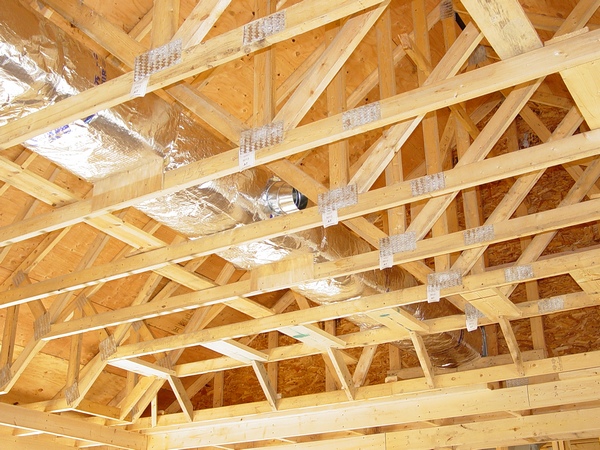
Some of the visitors of my website are very sophisticated DIY-rs. They don’t need long and detailed explanations; they just want to see how it supposed to be done so they can do it!...
|
|
Have you ever wondered what kinds of tool an ordinary residential ductwork installer carrying in his pouch?
On this and on the following pages you can see a complete set of all necessary tools that I’m usually carrying in my pouch, keeping in my toolbox or having in my van.
|
|
25. Uncommon Cases of Bath Fan Exhausts – the chapter gives a description of the five uncommon cases of
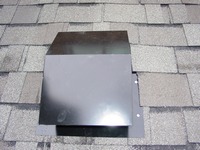 the bath fan exhausts. the bath fan exhausts.
The chapter has 22 pictures; 12 pages*. $3.41 (Instant Access).
Are you looking for a job? Not yet? When you will, they are going to ask you about your experience and it should be at least from three to five years or even more then that! However, under a good supervision one year is just enough to put your hands on it!!
So, why do they need more, are they crazy? No, they are not! They just need to know that you are able to do your job without asking too many questions!
My entire book is designed to help you out in this regard, but this chapter in particular! Once you have read this chapter, undoubtedly, you can claim that you have a knowledge equal of at least of ten years of experience!
On 05/18/2013 text of this chapter was significantly modified and improved. Examples of Pulte Homes ductwork installation were also inserted in this chapter. |
|
| BATH FAN EXHAUST THROUGH BRICK WALL |
|
1.List of materials needed for the project:
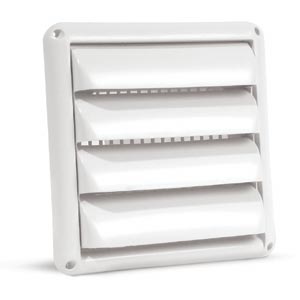
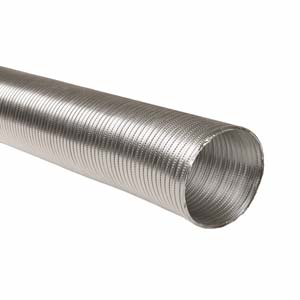 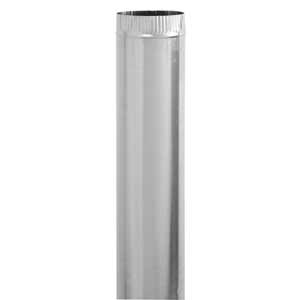
1. 4” plastic wall cap 2. 4” rigid flex 3. 4” pipes
4. 20” drive
5. Duct tape 6. Silicon 7. ½” screws
2. List of the tools needed for the project:
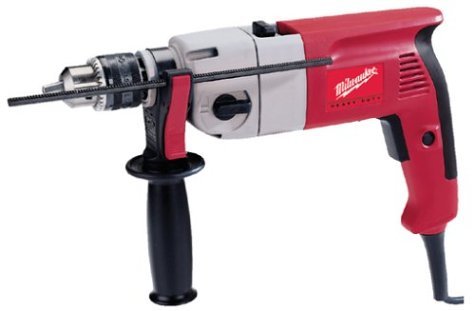 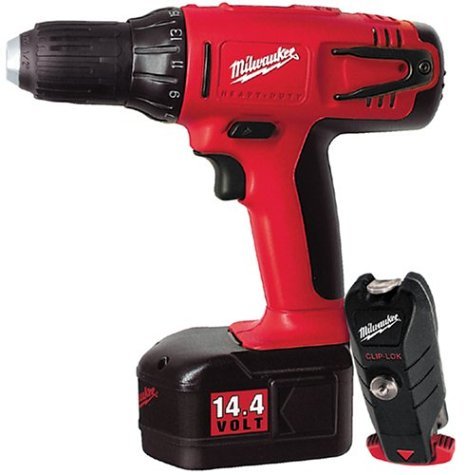 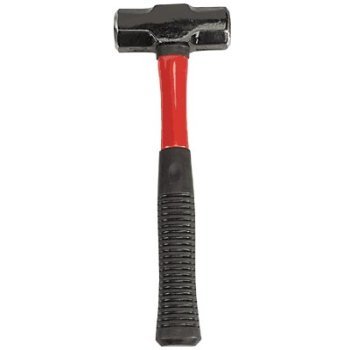
1. Power drill 2. Cordless drill 3. Sledge hammer
  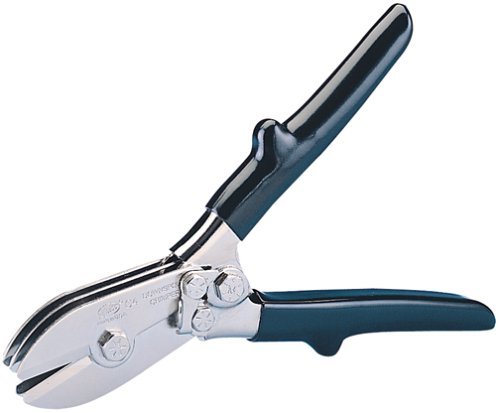
4. Chisel 5. Red snips 6. Crimpier
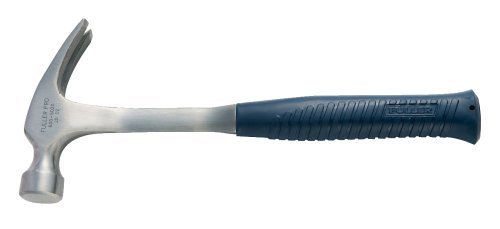 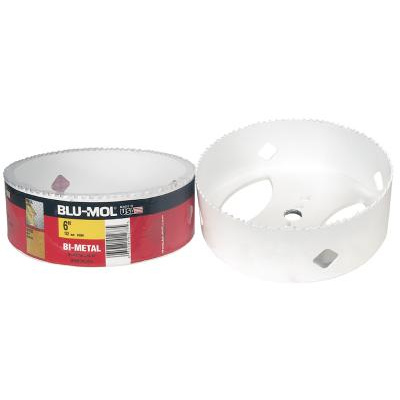 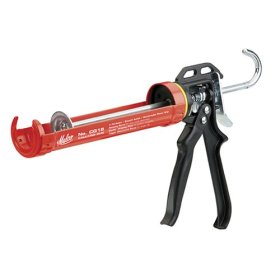
7. Hammer 8. 4 ¼” hole saw 9. Caulk gun
10. Long masonry drill bit
In order to better organize an explanation of the execution of this project I would like to divide it into several steps:
Step #1 – Find a spot on the wall where a bath fan exhaust should be terminated:
Usually a bath fan is situated above a toilet:
- Find a joist space or a lookout which will bring the exhaust respectively to the back or to the side of your house
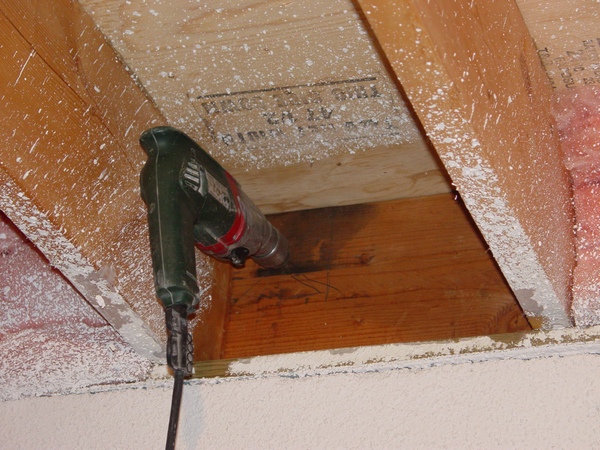 P. 1 P. 1
Find the best spot on the bond where exhaust should be run through.....
This is a parent page. If you would like to read more you can buy an access to the secondary page for only $2.50. You can pay right here on this page by using the Buy Now button below.
Installation on the paid page might not exactly describe your upcoming project. However, it will give you an important example on how this type of installation should be done. In addition, it will open the gates for as many questions as necessary to make sure that the job is done right.
In order to gain an access to the secondary page you have to pay the access fee of $2.50. Just click on the “Buy Now” button below. Once you pay, you will gain an instant access to the page!
Instant Access:
After you have purchased a paid page; PayPal is going to bring you back to my website. In order to see the paid page you have to click on the “Register” button, fill out the form, choose your own Username and Password and click on the “Register” button at the bottom of the form – congratulation, you are now on the page you have paid for!
Important: After you have purchased any Paid page or Download page and PayPal brought you back to my website, the first thing that you should do is to save that page to your Favorites. Then if something goes wrong you always can come back to re-register yourself on my website again.
|
| Bath Fan Exhaust through Brick Wall |
|
Finished Basement Edition is a new book designed just for you! In this book you can find answers to your most frequently asked questions about ductwork installation in the basement and more.
For more information please visit “Finished Basement Edition” page.
|
|
The Venting of Two Bathroom Fans (Installation in Pictures)
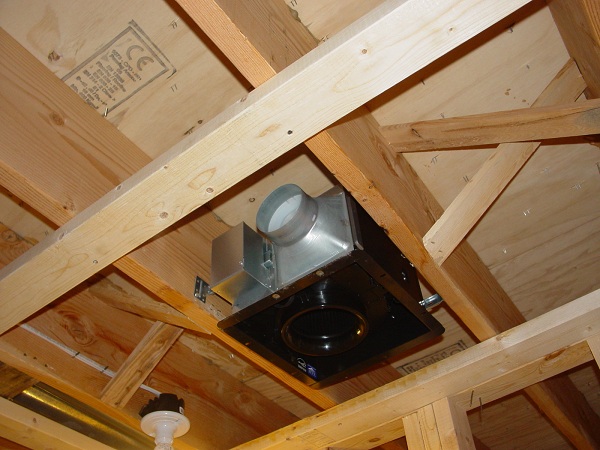
Usually when people finish their basements off they make a bathroom or two, but sometimes in addition to the bathroom, they build a steam room and sauna. In this case, one fan isn't enough and another fan should be mounted in a dress room in front of steam room.
On this page, you will learn how to exhaust both fans in a single pipe and how to vent it through the brick wall.
On the page, you can see 12 pictures of the tools and materials and 7 pictures of installation that represent it in the step-by-step manner.
In order to gain an access to the Venting of Two Bathroom Fans (Installation in Pictures) page you have to pay an access fee of $1.34. Just click on the “Buy Now” button below. Once you pay, you will gain an instant access to the page!
Instant Access:
After you have purchased a paid page; PayPal is going to bring you back to my website. In order to see the paid page you have to click on the “Register” button, fill out the form, choose your own Username and Password and click on the “Register” button at the bottom of the form – congratulation, you are now on the page you have paid for!
Important: After you have purchased any Paid page or Download page and PayPal brought you back to my website, the first thing that you should do is to save that page to your Favorites. Then if something goes wrong you always can come back to re-register yourself on my website again. |
|
|
A website "ductworkinstallation. com" focus on providing information and services related to the installation of ductwork systems , which are the tubes used to distribute heated or cooled air throughout a building as part of an HVAC system; essentially, it would be a platform for individuals or companies specializing in designing and installing ductwork for homes and commercial properties, offering details on the process, and potential contractors to contact for such services.
Key points about ductwork installation websites:
Services offered:
New ductwork installation, ductwork repair, duct cleaning, duct sealing, airflow balancing.
Target audience:
Homeowners looking to install a new HVAC system, individuals experiencing issues with their existing ductwork, commercial property owners needing ductwork for large buildings.
Information provided:
Explanations on different types of duct materials, design considerations for optimal airflow, potential benefits of proper ductwork installation.
|
|